
26th Oct 2026
What a Thermal Drone Actually Costs in New Zealand: Aircraft, Batteries, Certification and Payback
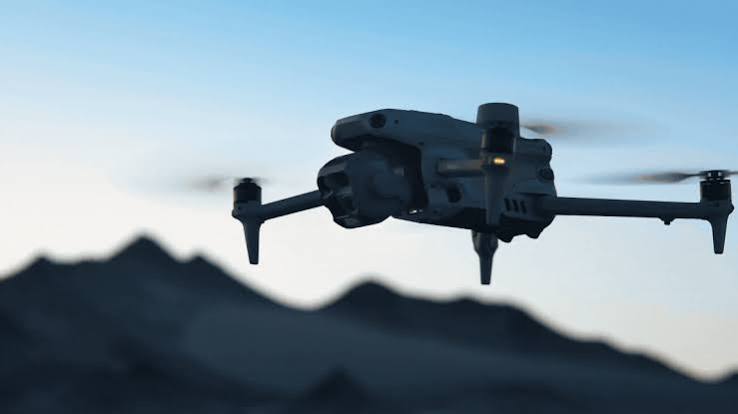
What a Thermal Drone Actually Costs in New Zealand: Aircraft, Batteries, Certification and Payback
If a thermal drone is on your wish list for spotting deer, knocking back pests or checking stock without walking the whole block, you're in the right place. Searching for thermal drone nz usually turns up flashy flight footage and feature lists. That's fun, but it doesn't tell you what the setup really costs once you add batteries, spares, insurance, certification and the paperwork you need before the first flight.
Here's what this post covers: the sticker price, aircraft and battery budget, the Part 101 baseline, when Part 102 certification becomes necessary, and the pre-flight admin people forget. We'll also build a payback worksheet around real repeated jobs on a Canterbury farm or hunting block, then give an honest verdict on tool versus expensive toy. Stick around for the thermal drone FAQ for New Zealand buyers, and we'll finish by adding it all up. No hype, just the stuff that decides whether it earns its keep.
The Sticker Price Is the Smallest Part of the Sum
The aircraft is one line item, not the cost. The rest of the total cost of ownership is batteries, spares and accessories, insurance, and the certification and compliance path you walk before the first flight.
See the whole board in 30 seconds: DJI thermal aircraft, batteries (plural, deliberately), spares and accessories, insurance, and certification or paperwork. That last line is the one that trips people up.
Here's the threshold. A thermal drone for deer recovery gets bought as a tool, not a toy, but on-farm pest control and deer work may or may not be treated as commercial use under the rules. That classification changes your compliance line item, not the aircraft price, so don't assume anything until you've checked.
Then the purpose test, early, because it decides everything downstream. A drone pays back only if you can name repeated on-farm jobs it replaces. If you can't list them, the honest answer is that any price is too much.
This isn't a what-is-thermal article. You already know what these things do. You're weighing whether to buy one and how to budget for it properly in New Zealand, so the DJI thermal drone range is where the real numbers start.
Aircraft, Batteries and Spares: What to Budget For
The airframe is line one. Batteries are line two, and they are not optional extras.
Thermal work eats power. A single pack means short sorties and a pause while it recharges, so in our experience, budget at least two batteries from day one. Buying the second one later is a penalty, not a saving.
How many packs? That's a farming decision, not a spec-sheet one. Deer recovery at last light. A pest sweep before milking. A stock check on the back block. Each job has a time envelope, and flight minutes are what you're actually buying. Two packs cover a real session. More if your jobs cluster at dusk or you're working several blocks in a day.
Then the bits that quietly add up: spare props, prop guards where relevant, the controller and screen, memory cards, a hard case, and a way to carry the lot on a quad or ute. Farm flying usually happens away from mains power, so in our experience, a 12 V or portable charging setup belongs in the budget, not the afterthought column.
We're not quoting figures here because they shift with model and configuration. Check the DJI thermal drone range and accessories, or ring the shop on +64 27 551 5124, to price a real setup rather than a generic one.
Buying the right aircraft, the second battery and the right charger in one go is cheaper than discovering the gaps mid-winter.
Drone Rules NZ: The Part 101 Baseline You Start From
Once batteries and spares are sorted, the next line item isn't gear. It's the rules.
Part 101 is the default rule set for small remotely piloted aircraft, and it covers recreational and commercial users alike. The Commercial Drone Association of New Zealand summarises the main limits as: stay below 120 metres, keep visual line of sight, avoid flying over people or property without consent, and fly in daylight. Verify them at aviation.govt.nz Part 101 before treating them as hard numbers.
The CAA advisory circular AC101-1 (Revision 2, 22 December 2025) covers small RPAS under 25 kg. It spans registration, qualifications and training, pre-flight requirements, BVLOS, night flying, shielded operations, dropping articles, and operating above 400 ft.
Farm terms: under 25 kg, you're in that small-aircraft world. The next section covers exactly when Part 102 is triggered.
The informal "drone licence" isn't one document. It's registration, training or competency expectations, and sometimes an approved person or organisation. Typical Canterbury farm use, daytime under 25 kg and in visual line of sight, sits under Part 101. Read AC101-1 for your scenario. The same sort-the-paperwork-first habit applies to restricted firearms and our dealer-to-dealer network.
One gap: whether on-farm pest control and deer recovery count as commercial isn't settled in the sources. Part 101 applies to recreational and commercial users alike, but confirm your use case with the CAA rather than assume.
Beyond Part 101: When You Need Part 102 Certification
You can't just get a Part 102 yourself, and that's the first thing people get wrong. It's an organisational certificate, not an individual licence. A UAOC is issued to a company or organisation, which matters for a farm or family business structure: decide which entity actually holds it before anyone starts writing anything.
The triggers are the practical bit. Night flying, aircraft over 25 kg, flying over people or private property without consent, higher-risk payloads, and complex repeatable operations. If your thermal work is occasional and easily kept inside Part 101 limits, Part 102 may never be needed. If you're flying at night over the neighbours' place, or dropping articles, it isn't optional.
Then comes the Exposition, and this is the paperwork people underestimate when they talk about a drone licence. It's your organisation's own document setting out how you'll operate, who's responsible, and how you manage risk, as the Agricultural Drone Association describes it. That's the real workload behind a UAOC. Agriculture sits among the sectors that lean on Part 102, which is directly relevant to a Canterbury block running repeat thermal operations.
On cost and timeline, we're not going to guess. Certification fees and processing times aren't quoted here because they aren't verified. Work through the CAA's Part 102 application pages rather than trusting a number off a forum.
Once you know which rule part you're in, the next job is the pre-flight list.
What You Must Sort Out Before the First Flight
If Part 102 is not on your horizon yet, the work still starts before the props spin. Treat this as a checklist, not a vibe.
Before you fly at all:
-
Confirm which rule part actually covers your use, then verify the Part 101 limits (altitude, line of sight, consent, daylight) against the current rule text on aviation.govt.nz, not a blog summary.
-
Register the aircraft where required, and check the training and competency expectations in AC101-1 Rev 2, which was updated on 22 December 2025.
-
Brief every single flight: pre-flight checks, battery state, airspace and hazards, landowner or neighbour consent, and what you will do if you lose sight of the aircraft or something goes wrong.
Keep records from flight one. Log flights, battery cycles and locations. That habit is what turns a later Part 102 application into paperwork instead of a scramble.
Farm property and privacy. Even on your own block, consent and safety obligations still apply the moment a flight touches other people, stock or neighbouring property.
And before you publish or fly anything, read Part 101, Part 102 and AC101-1 on aviation.govt.nz directly. The advisory circular changed in December 2025, so older summaries are already stale.
Does It Pay Back? A Worksheet for Your Own Block
Checklist sorted. Now the money question: does it pay back? Treat it as a worksheet, not a guess.
Use the job list you built in the opening section as your starting point.
Add up the annual value you'd genuinely recover. Divide it by your total cost of ownership: aircraft, two batteries, spares, insurance, certification if it applies. That gives a rough payback period. No credible annual number means the number isn't there yet.
Watch the false payback. As a rough rule of thumb, a drone that flies four or five times a year rarely clears the sum once batteries, insurance and certification are counted. It's an expensive toy.
Use your own NZ numbers, not generic online figures that ignore local pricing and support. Price an actual setup through the shop's DJI thermal drone range and accessories, then run the worksheet before you buy.
Tool or Expensive Toy: The Honest Verdict
Here is the blunt version. If you've listed three or more repeated on-farm jobs it handles better than your current method, it's a tool, if not, it's an expensive toy that flies twice.
Our rule of thumb: the two-battery rule is the dividing line. One battery means short, occasional flights, and that is toy behaviour, not the rhythm of working gear. If the Matrice 4E, known as the Barking Drone, is doing stock checks and livestock work across blocks, it is flying real minutes, not a demo flight once a month.
Some buyers should stop and think: the occasional recreational pilot who wanders their own block now and then, and anyone who cannot absorb the certification path if their use turns out to be commercial.
For genuine farm buyers, the reassurance is simple. Real, repeated jobs make the second battery and the paperwork predictable costs, and knowing them up front is what makes the decision sound.
That is where local support earns its keep. A shop that sets gear up properly and answers the phone matters more than a few dollars of headline price when you are learning a new tool on a working farm.
Thermal Drone FAQ for New Zealand Buyers
Still weighing it up? Here are the questions we hear most.
How much is a thermal drone in NZ? Budget the aircraft, at least two batteries, spares and charging, insurance, and certification. Figures shift with model and config. Check our DJI thermal range and ring +64 27 551 5124 for a real setup.
Do I need a licence to fly one on my farm? Part 101 applies by default, see the rules section above for the full breakdown.
Does farm pest control count as commercial? Confirm your specific use case with the CAA.
How many batteries? Our recommendation: two minimum for real on-farm work. More if jobs are time-boxed at last light or span multiple blocks in a day, plus a vehicle charging plan. See our thermal drone accessories.
Which DJI should I buy? Stick to our stocked DJI thermal line; the right model depends on your jobs and budget, so talk it through at the counter or on the phone.
Add It Up, Then Come and Talk It Through
With the price drivers and rule questions covered, here's how to add it up. You've seen how those five lines add up.
Three takeaways. First, if that jobs list is short, wait. Second, budget two batteries and the charging setup up front. If you're comparing configurations, it's worth seeing how a properly specced DJI Matrice 4E setup comes together. Third, confirm which rule part applies to your use before you fly.
Verify the details at aviation.govt.nz: Part 101, Part 102 and AC101-1 (Rev 2, 22 December 2025).
Then come and talk it through. High Country Ballistics is family-run in Oxford, North Canterbury. We stock DJI thermal drones and accessories, set gear up properly, and answer the phone on +64 27 551 5124.
Conclusion
Add up your own numbers using the worksheet above, then bring your questions to us. High Country Ballistics is family-run in Oxford, North Canterbury, call +64 27 551 5124 and let's make your next flight count.